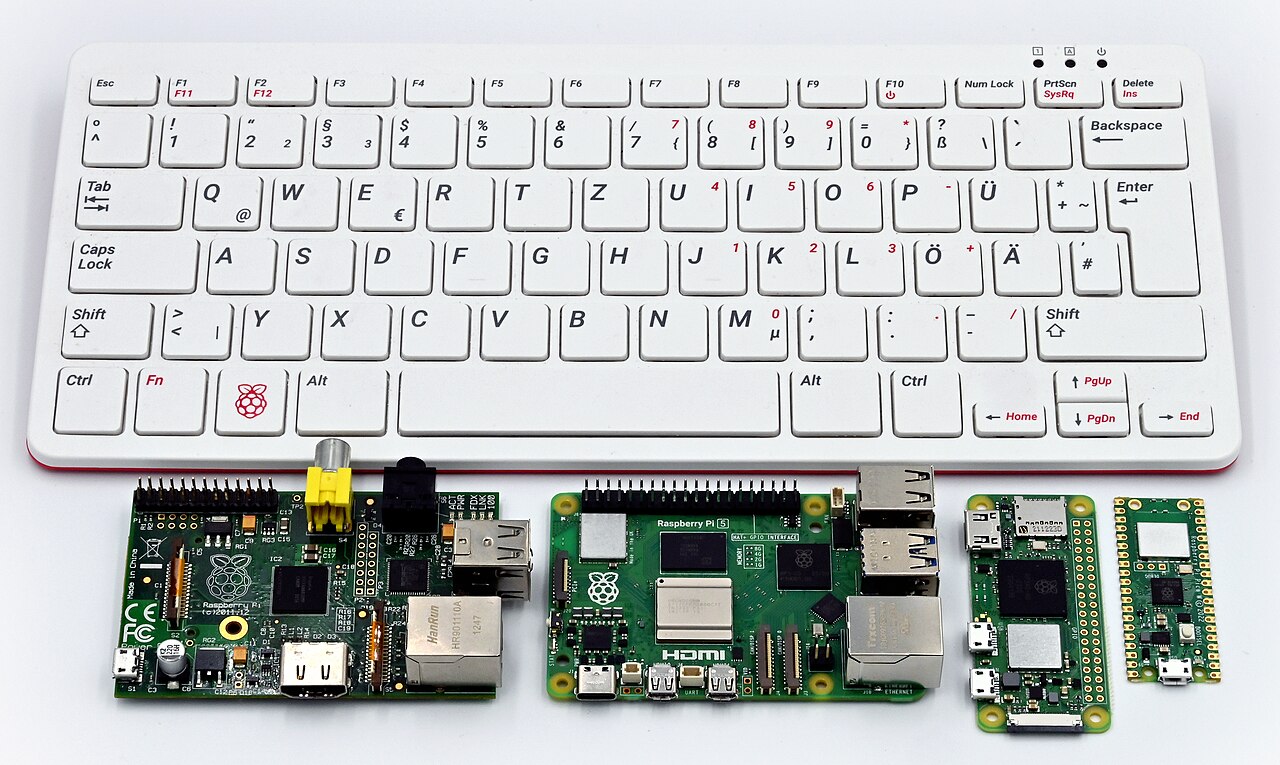
Raspberry Pi RAM restrictions have sparked discussions among tech enthusiasts. However, many believe these limitations are manageable and won’t hinder performance significantly.
Understanding Raspberry Pi RAM limitations
The Raspberry Pi has become a popular choice for hobbyists and educators alike, but its RAM restrictions can sometimes confuse new users. Understanding these limitations is crucial for maximizing the device’s potential.
Unlike traditional computers, Raspberry Pi models come with fixed amounts of RAM, which can range from 256 MB to 8 GB depending on the model. These RAM restrictions can impact performance, especially in memory-intensive applications. However, it’s important to recognize that many projects can thrive within these constraints.
Here are some key points to consider:
- Optimizing code can significantly reduce memory usage.
- Using lightweight operating systems can enhance performance.
- Many applications are designed to run efficiently on limited hardware.
In summary, while Raspberry Pi RAM restrictions may pose challenges, they also encourage creativity and resourcefulness in project development.
Performance impact of RAM restrictions
The performance impact of RAM restrictions on Raspberry Pi devices can be significant, depending on the intended use. While these compact computers are highly versatile, their limited RAM can hinder performance in memory-intensive applications.
For users engaged in basic tasks, such as browsing the web or managing simple scripts, the Raspberry Pi RAM restrictions may not pose a noticeable issue. However, for applications involving multimedia processing or running multiple applications simultaneously, users may experience slowdowns or crashes.
To mitigate these challenges, users can:
- Optimize software: Use lightweight alternatives to resource-heavy applications.
- Manage processes: Close unused applications to free up memory.
- Upgrade models: Consider newer Raspberry Pi models with increased RAM for better performance.
Ultimately, understanding the performance impact of RAM restrictions is crucial for achieving optimal results with Raspberry Pi devices.
Alternatives to consider for Raspberry Pi projects
When working with Raspberry Pi projects, it’s essential to consider alternatives that can help mitigate the issues posed by Raspberry Pi RAM restrictions. Here are a few options to enhance your project experience:
- Optimizing Software: Streamlining your applications to use less memory can significantly improve performance. Consider lightweight operating systems or software designed for low-resource environments.
- External Storage: Utilizing external USB drives or network storage can help alleviate some memory constraints by offloading data-intensive tasks.
- Upgrading to a Newer Model: If your project demands more RAM, consider using the latest Raspberry Pi models, which often come with increased memory options.
- Distributed Computing: For larger projects, distribute tasks across multiple Raspberry Pi devices, allowing each unit to handle a smaller workload, effectively bypassing RAM limitations.
By exploring these alternatives, Raspberry Pi enthusiasts can maximize their projects despite RAM restrictions.
User experiences with RAM restrictions
User experiences with Raspberry Pi RAM restrictions vary widely, reflecting both the creativity and adaptability of the community. Many users have found ways to optimize their projects despite these limitations.
Some common strategies include:
- Lightweight Operating Systems: Switching to lighter OS options like DietPi or Arch Linux can significantly enhance performance.
- Efficient Coding: Developers often focus on writing optimized code to minimize memory usage, enabling smoother operation of applications.
- External Storage Solutions: Utilizing USB drives or cloud storage can alleviate RAM restrictions by offloading data processing tasks.
Users have reported that while the Raspberry Pi RAM restrictions can be challenging, they encourage innovative thinking and problem-solving. Many agree that with careful planning and resource management, the limitations can be managed effectively, allowing them to successfully complete their projects.
Ultimately, the community’s resilience demonstrates that while the RAM restrictions exist, they do not hinder creativity in the Raspberry Pi ecosystem.
Future of Raspberry Pi hardware
The future of Raspberry Pi hardware looks promising, especially as the community continues to innovate within the Raspberry Pi RAM restrictions. As technology evolves, the demand for devices that can handle more complex tasks increases. This has prompted developers to explore ways to optimize performance despite inherent limitations.
Future models are likely to address RAM capacity, allowing users to run more demanding applications without sacrificing speed or efficiency. Moreover, advancements in software and operating systems tailored for Raspberry Pi will enhance the overall user experience.
Additionally, the rise of cloud computing and edge processing may mitigate some of the limitations posed by RAM constraints. Users can offload heavy processing tasks to more powerful servers, thereby leveraging the Raspberry Pi for lighter operations.
Ultimately, the adaptability of Raspberry Pi hardware and the vibrant community surrounding it ensure that the platform will continue to thrive, even under RAM restrictions.
Tips for optimizing Raspberry Pi performance
To enhance your Raspberry Pi’s performance despite its RAM restrictions, consider the following tips:
- Minimize Background Processes: Limit the number of applications running simultaneously to free up RAM. Use lightweight alternatives whenever possible.
- Optimize Software: Choose software designed for low resource usage. Programs like Raspbian Lite can help maximize available memory.
- Use Swap Memory: Configure swap space to extend virtual memory. While this can slow down performance slightly, it may be beneficial for memory-intensive tasks.
- Overclocking: If your Raspberry Pi version supports it, overclocking can potentially increase efficiency. Ensure proper cooling to avoid overheating.
- Upgrade Storage: Using faster SD cards or external drives can reduce load times and improve overall system responsiveness, compensating for the RAM limitations.
By applying these strategies, you can effectively navigate the Raspberry Pi RAM restrictions and enhance your project’s performance.
Community reactions to RAM limitations
The Raspberry Pi community has shown a mix of acceptance and frustration regarding the RAM restrictions associated with the platform. Many users acknowledge that while these limitations can hinder performance, they also appreciate the device’s low cost and versatility.
Some community members have taken to forums to share their thoughts:
- “For basic projects, the RAM restrictions are manageable and often don’t pose a significant issue,” shared one user.
- “I wish there were more options for RAM, but I love how the Raspberry Pi allows me to learn and experiment,” another noted.
- “It’s frustrating at times, especially for heavier applications, but I’ve found workarounds that help,” commented a developer.
Overall, the consensus seems to be that while Raspberry Pi RAM restrictions can pose challenges, the community’s innovative spirit continues to shine through, fostering creative solutions and adaptations.
Conclusion on Raspberry Pi RAM restrictions
In conclusion, the Raspberry Pi RAM restrictions are an important consideration for users looking to maximize the potential of their projects. While these limitations can impact performance, they are often manageable with the right strategies and optimizations. Users have shared various tips and tricks that can help mitigate the effects of reduced RAM, such as selecting lightweight operating systems and efficiently managing running applications.
Moreover, the community’s response to these constraints has been largely positive, with many emphasizing that the benefits of affordability and versatility still outweigh the drawbacks. As the Raspberry Pi Foundation continues to innovate, there is hope for future models with enhanced specifications that may address current RAM limitations.
Ultimately, understanding and adapting to these RAM restrictions can lead to successful and enjoyable projects. By leveraging various alternatives and keeping abreast of community insights, users can continue to explore the vast potential of Raspberry Pi technology.
Understanding the Raspberry Pi RAM restrictions is crucial for optimizing performance in various projects. By exploring the implications of these Raspberry Pi RAM restrictions, users can make informed decisions when selecting their models and configurations.
via Wikimedia Commons
Where this came from
Related stories
Lenovo Lecoo GT 16: Best Gaming Laptop with Proven Performance · A24 Documentary Trailer: The Best Bizarre Preview Yet · 2D Semiconductor Platform: Proven $12M Boost for Nexstrom