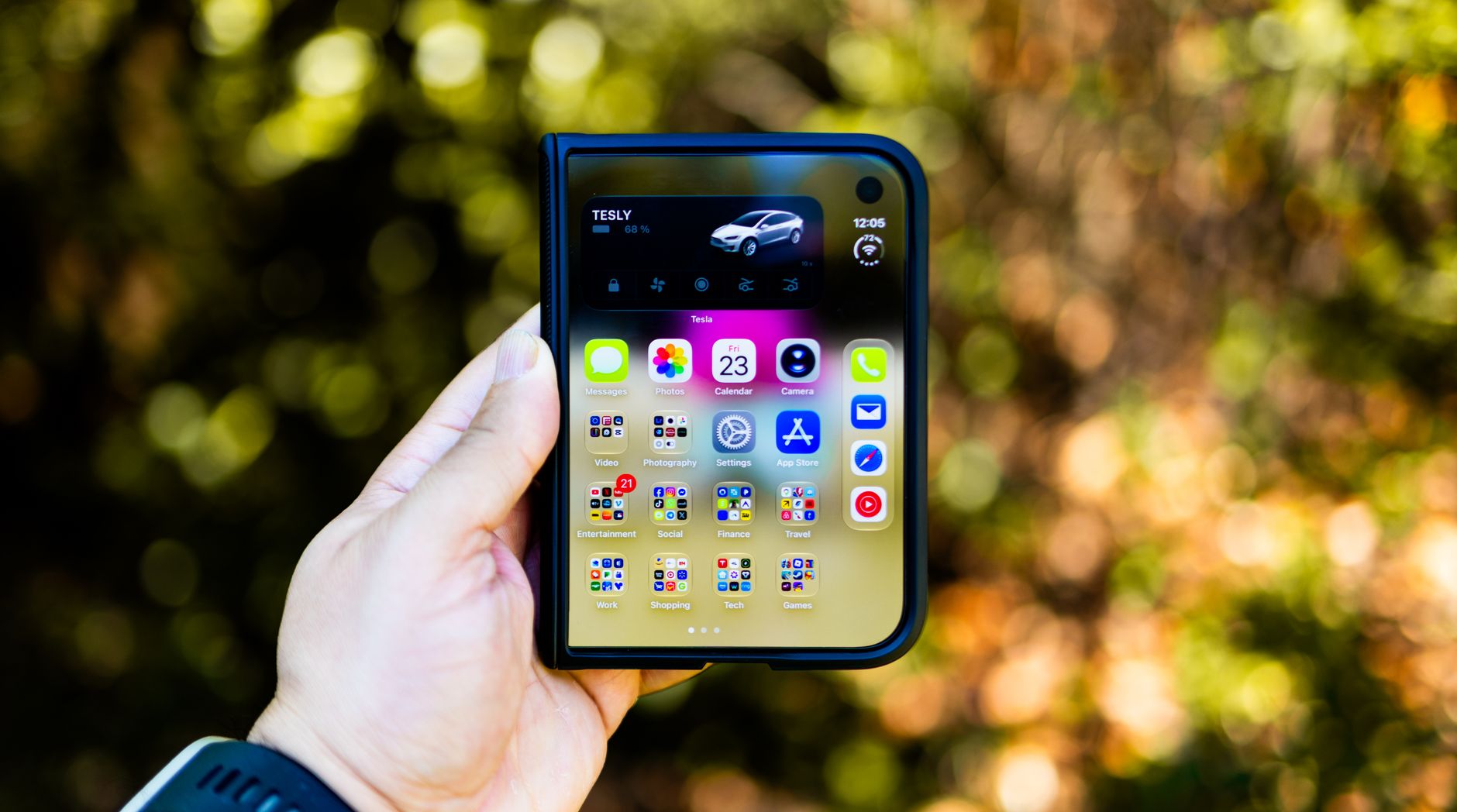
Android apps foldable basics are set to become a priority for developers as Google Play pushes for improvements by April 2027. This initiative aims to enhance usability on foldable devices.
What are foldable basics for Android apps?
As the demand for foldable devices grows, understanding the foldable basics for Android apps becomes essential for developers. Foldable basics refer to the guidelines and best practices that ensure apps function seamlessly on devices with flexible screens.
Adapting to different screen sizes and orientations is crucial. Here are some key considerations:
- Responsive Layouts: Apps must automatically adjust their layout when the device transitions between tablet and phone modes.
- Multi-Window Support: Users expect to have multiple apps open simultaneously. Supporting this feature enhances user experience.
- Screen Continuity: Maintaining context when an app is folded or unfolded is vital. Users should not lose their place or data during these transitions.
- Optimized Touch Targets: Since foldable devices may have larger screen areas, touch targets must be appropriately sized to ensure ease of use.
By adhering to these foldable basics, developers can create applications that not only meet user expectations but also take full advantage of the unique capabilities of foldable devices, making them worth the effort.
Why is Google Play focusing on foldable apps?
Google Play’s focus on foldable apps is driven by the growing popularity of foldable devices in the Android ecosystem. As manufacturers continue to innovate, the demand for apps that seamlessly adapt to various screen sizes and orientations has surged.
By prioritizing foldable basics for Android apps, Google aims to enhance user experience and ensure that applications are not only functional but also visually appealing across different devices. This initiative aligns with their broader strategy to maintain Android’s reputation as a versatile operating system that supports a diverse range of hardware.
The emphasis on foldable apps also highlights the importance of optimizing performance and usability. Developers are encouraged to consider:
- Responsive design: Ensuring apps adjust fluidly to changes in screen size.
- Multi-window support: Allowing users to multitask effectively on larger screens.
- User-friendly navigation: Simplifying interactions to cater to the unique form factors of foldable devices.
Ultimately, focusing on these foldable basics will not only benefit developers but also foster a richer experience for users, making the investment worthwhile.
The impact of foldable devices on app development
The rise of foldable devices has significantly influenced the landscape of app development. With their unique form factors, these devices require developers to rethink their approach to user experience and interface design. The impact of foldable devices on app development is profound, as they introduce new challenges and opportunities that were not present in traditional smartphone design.
Developers are now tasked with ensuring that their Android apps foldable basics are not only met but optimized for varied screen sizes and orientations. This involves:
- Responsive design: Apps must be able to adapt fluidly to different screen configurations, maintaining functionality across both compact and expanded modes.
- User experience: Developers need to consider how users interact with apps on foldable devices, ensuring seamless transitions between screens.
- Testing and optimization: Rigorous testing is essential to identify and rectify potential usability issues that may arise from folding mechanics.
As foldable technology continues to evolve, the investment in optimizing Android apps for these devices is seen as worthwhile, positioning developers to meet the demands of a changing market.
Best practices for Android apps on foldable screens
When developing Android apps for foldable screens, adhering to best practices is essential to ensure a seamless user experience. Here are some key guidelines to consider:
- Responsive Layouts: Design layouts that adapt fluidly to various screen sizes and orientations. This flexibility is crucial for maximizing usability on foldable devices.
- Multi-Window Support: Enable users to utilize apps in multi-window mode, allowing them to multitask effectively. This feature enhances the overall functionality of your app.
- Testing on Foldable Devices: Conduct thorough testing on actual foldable devices to identify any layout or performance issues specific to these screens.
- Orientation Changes: Implement smooth transitions and adjustments when the device is folded or unfolded, ensuring that the user experience remains consistent.
- Utilize Screen Continuity: Leverage the capability of maintaining state when switching between different screen configurations, providing a seamless experience.
By following these best practices for Android apps on foldable screens, developers can create applications that not only meet user expectations but also embrace the unique capabilities of foldable devices.
How will this change user experience?
The introduction of foldable devices is set to transform user experience significantly. As Android apps foldable basics become a priority for developers, users can expect a more seamless and intuitive interaction with their applications. The unique form factors of foldable devices allow for innovative layouts and multi-tasking capabilities, enhancing productivity and engagement.
With the ability to run multiple apps side-by-side, users can easily switch between tasks without losing focus. This adaptability not only streamlines workflows but also opens the door for creative use cases that were previously challenging on traditional devices. For instance, users can take notes while watching a video, or engage in video calls while browsing the web.
Moreover, the immersive experience offered by foldable screens can enhance gaming and multimedia consumption. Developers are encouraged to rethink their app designs to leverage larger displays effectively. As a result, consumers are likely to benefit from more dynamic interfaces and enriched experiences tailored to their needs.
Ultimately, mastering the Android apps foldable basics will be essential for developers aiming to keep pace with evolving user expectations in this new landscape.
Challenges developers face with foldable apps
As developers embrace the potential of foldable devices, they encounter a unique set of challenges when creating Android apps that cater to these innovative screens. The Android apps foldable basics present hurdles that require careful consideration and adaptation.
One significant issue is ensuring compatibility across various foldable models, each with different screen sizes and aspect ratios. Developers must rigorously test their applications on multiple devices to provide a seamless experience. This can be resource-intensive and time-consuming.
Another challenge is handling screen transitions smoothly. When a device is folded or unfolded, apps must adapt their layouts dynamically to maintain usability. This necessitates a flexible design approach, which can complicate the development process.
Additionally, optimizing performance is vital. Foldable devices often have enhanced capabilities, and apps need to leverage these features without compromising battery life or speed.
In summary, while the potential for foldable apps is promising, developers must navigate various obstacles to ensure their applications meet the Android apps foldable basics and deliver a high-quality user experience.
Timeline for implementing foldable basics
As the tech industry shifts towards foldable devices, a clear timeline for implementing foldable basics in Android apps is crucial for developers. Google Play has set a target for developers to ensure their applications are optimized for foldable screens by April 2027. This timeline allows developers ample time to adapt their existing apps and create new ones that take full advantage of the unique capabilities offered by these devices.
The process begins with understanding the fundamentals of foldable basics, which include ensuring proper screen orientation handling, responsive layouts, and enhanced multitasking features. Developers are encouraged to start integrating these elements now, rather than waiting until the deadline approaches. The early adoption of foldable basics can provide a competitive edge and improve user engagement.
Additionally, Google Play will be providing resources and support to assist developers throughout this transition. Regular updates and workshops will help developers stay informed about the latest best practices. By adhering to this timeline, developers can significantly enhance the user experience on foldable devices and ensure their apps remain relevant in the rapidly evolving market.
Future of Android apps in a foldable world
The future of Android apps in a foldable world is poised for significant transformation, as developers increasingly embrace the foldable basics for enhanced user experiences. As the technology matures, we can expect several key trends to emerge.
- Increased Adoption: With major manufacturers releasing more foldable devices, the demand for optimized Android apps will grow, compelling developers to prioritize foldable features.
- Innovative User Interfaces: Apps that take advantage of larger, flexible screens will likely dominate the market, leading to more creative and engaging designs.
- Enhanced Multitasking: Foldable devices are perfect for multitasking, prompting developers to create apps that seamlessly integrate various functionalities on the same screen.
- Focus on Performance: As foldable technology evolves, app performance will become even more critical, ensuring smooth transitions between different forms of the device.
In conclusion, the future of Android apps hinges on the effective integration of foldable basics, paving the way for a richer, more versatile mobile experience. Developers who adapt to these changes are likely to see greater user engagement and satisfaction.
Understanding the Android apps foldable basics is crucial for developers looking to optimize their applications for this emerging technology. As the market for foldable devices grows, mastering the Android apps foldable basics can lead to enhanced user experiences and increased engagement.
Photo by Caleb Oquendo on Pexels