Three Low-Pressure Ways to Plan a First Salt Cave or Float Visit
A first salt cave or flotation visit does not need to be framed as a dramatic wellness decision. The most useful way to shop is to choose a planning approach that matches a person’s comfort with new settings, available time, and interest in quiet. That creates a gentler decision than trying to determine which modality is supposed to be more powerful.
Approach one: choose the most understandable setting
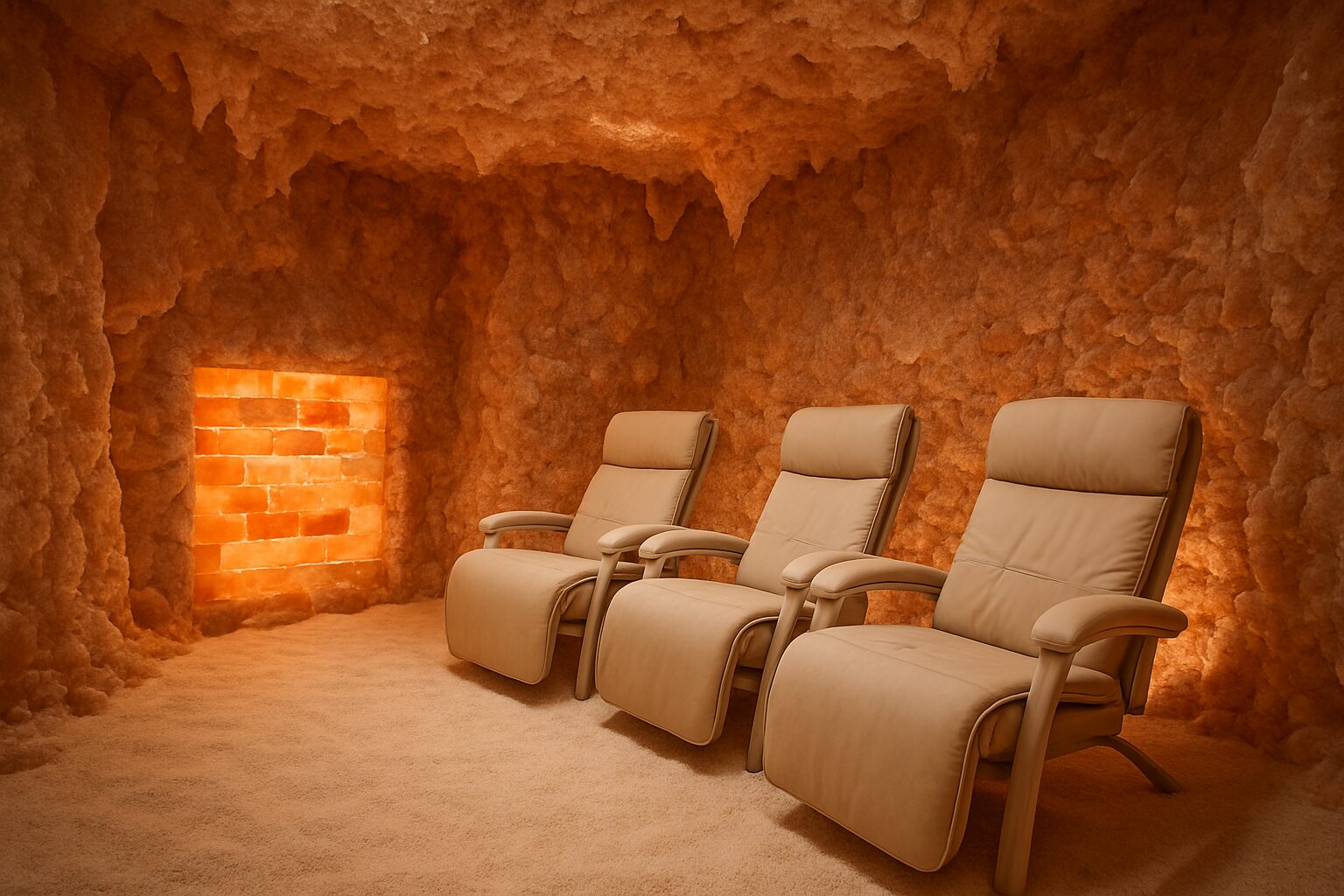
Some readers want to know exactly what a visit looks like before they book. For them, the best first step is to read the service description, ask what to expect, and choose the setting that feels easiest to picture. the Sante salt-cave visit information gives the verified salt-cave context in this project, including preparation and etiquette headings in the stored page copy. That kind of concrete information can make novelty feel manageable.
Approach two: choose the appointment with the cleanest calendar fit
For others, the setting matters less than whether the appointment can happen without a rushed arrival or an immediate demand afterward. A quieter visit is easier to assess when the day has a little room around it. This is a planning choice, not a claim about what the service will do. The reader is simply deciding whether the time and place suit the week.
Approach three: choose one modality and leave the comparison for later
- Read the service information for the setting that most interests you.
- Ask practical questions about session flow, timing, and preparation.
- Book only one category, then decide later whether another experience is worth exploring.
Readers interested in flotation can use the Thornhill flotation-session page as a separate reference rather than assuming salt cave and float sessions belong in the same visit. A staged approach produces better information about personal preference than a package made from several unfamiliar experiences.
Keep medical needs outside the comparison
Salt cave and float services are not substitutes for medical evaluation, treatment, or emergency care. Anyone with symptoms, a health condition, medication questions, or possible contraindications should seek guidance from an appropriate qualified clinician. The spa decision can then remain focused on environment, scheduling, and comfort.
The best first visit is often the least pressured one. Choose the setting that is easiest to understand or schedule, allow the appointment to stand alone, and treat the next modality as a later choice rather than a missing piece. That is how curiosity becomes a calm, informed plan.
Curiosity works best in small portions
An unfamiliar spa setting can be interesting without becoming a personal project. Readers do not need to collect every modality, memorize all the terminology, or attach an oversized goal to the first visit. One well-explained appointment offers enough information to decide whether the environment, pace, and planning style feel appealing. That is a calmer way to explore than trying to manufacture certainty from descriptions alone.
It also leaves room to change the mind later. A reader may decide that the first visit was interesting but not a recurring preference, or may prefer a different setting next time. Both are useful outcomes. The goal of the initial plan is understanding, not commitment to a category simply because it appeared in a search.