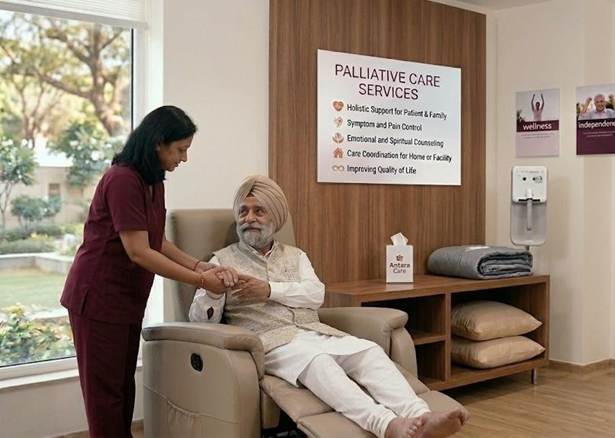
When a serious illness enters a family, everything slowly begins to change. The focus shifts from treatment schedules and reports to something more human—comfort, dignity, and quality of life. This is where palliative care becomes deeply important. It is not about giving up on treatment. It is about ensuring that even during illness, life is lived with less pain, less stress, and more meaning.
Globally, millions of people need this support. According to the World Health Organization, over 56 million people require palliative support every year. In India, however, access to pain and palliative care remains limited, leaving many patients to manage serious symptoms without proper support.
What Is Palliative Care and Why It Matters
Palliative care focuses on improving quality of life for patients dealing with serious or long-term illnesses. It works alongside treatment and addresses pain, discomfort, emotional stress, and daily challenges. Unlike traditional approaches that focus only on curing disease, pain and palliative care ensures that patients feel supported at every stage.
An important aspect of this approach is that it is not limited to end-of-life care. Patients can begin receiving palliative care early in their diagnosis, helping them manage symptoms better and maintain independence for longer.
Relief from Pain and Symptoms Through Pain and Palliative Care
One of the most immediate and visible benefits of palliative care is relief from pain. Patients with chronic illnesses often struggle with ongoing discomfort such as pain, breathlessness, fatigue, or nausea. Without structured intervention, these symptoms can worsen and affect daily life.
With proper pain and palliative care, symptoms are monitored closely and managed proactively. This reduces suffering and creates a more stable and comfortable routine for the patient. Over time, even small improvements in symptom control can significantly enhance overall well-being.
Improved Quality of Life with Palliative Care
The goal of palliative care is not just to manage illness, but to improve how a patient lives each day. Many families notice that once care begins, patients sleep better, feel calmer, and regain some level of normalcy in their daily activities.
This improvement is not always dramatic, but it is meaningful. Being able to sit comfortably, have a conversation, or enjoy a meal without discomfort becomes possible. This is where pain and palliative care makes a real difference—by restoring dignity and comfort in everyday life.
Emotional Support for Patients and Families
Serious illness brings emotional challenges that are often harder than the physical symptoms. Patients may feel anxious, fearful, or dependent, while families experience stress, confusion, and burnout.
Structured palliative care addresses these emotional needs alongside medical care. Teams providing pain and palliative care support families in understanding the condition, managing expectations, and making informed decisions.
An experienced clinician once shared,
“We may not always cure, but we can always comfort.”
This reflects the deeper role of care beyond just treatment.
Why Early Palliative Care in Hospital Makes a Difference
There is a common belief that palliative care in hospital is only required in the final stage of illness. In reality, early integration leads to better outcomes.
When introduced during treatment, palliative care in hospital helps manage side effects, reduce complications, and improve patient comfort. It also prepares families for the next phase of care, ensuring smoother transitions after discharge.
Patients receiving early palliative care in hospital often experience fewer emergency situations and better symptom control over time.
Reduced Hospital Visits and Better Stability
Frequent hospital visits can be exhausting for both patients and families. Without structured care, even minor complications can result in emergency admissions.
With continued support through pain and palliative care, these risks are reduced. Patients are monitored regularly, and issues are addressed before they escalate. This leads to fewer hospital visits and a more stable recovery journey.
Understanding Care Home, Old Age Homes, and Senior Homes in Palliative Care
When families start exploring long-term care options, they often come across terms like Care Home, Old age Homes, and senior homes. While these may sound different, they are often used interchangeably in everyday conversations and broadly refer to residential setups designed for elderly care.
However, when it comes to serious medical needs and palliative care in hospital-level support, what truly matters is not the name of the facility, but the level of care it can provide. Whether it is called a Care Home, Old age Homes, or senior homes, the focus should be on how well the setup is equipped to handle medical complexity, symptom management, and continuous monitoring.
For patients requiring structured pain and palliative care, the presence of clinical protocols, trained nursing staff, doctor supervision, and emergency readiness becomes critical. This is where choosing an established and experienced provider makes a significant difference. A wellmanaged Care Home or professionally run setup follows defined SOPs, ensures consistency in care delivery, and reduces dependency on ad-hoc decision-making.
In contrast, less structured setups—regardless of whether they are referred to as Old age Homes or senior homes—may vary widely in the level of medical support they offer. This variation can directly impact patient comfort, recovery, and overall experience.
In India, a few organized players are building structured ecosystems around senior care. For example, Antara Care Homes operates professionally managed care homes with a clinical-first approach and has a presence across Delhi NCR, Bengaluru, and Chennai, offering more standardized and protocol-driven support.
For families, the decision should therefore not be based on terminology, but on trust, expertise, and the ability to deliver reliable palliative care. An established provider brings not just infrastructure, but also accountability, trained teams, and a care model designed around patient needs.
Why This Difference Matters
For patients needing palliative care in hospital-level support, a structured Care Home or specialized setup becomes more suitable than general Old age Homes or lifestyle-based senior homes. The difference directly impacts patient comfort and safety.
Importance of Choosing an Established Provider
Not all care providers offer the same level of support. An experienced provider ensures structured protocols, trained professionals, and consistent monitoring.
Unlike general setups such as Old age Homes, a specialized Care Home delivers reliable and high-quality pain and palliative care. This reduces risks, improves outcomes, and provides families with peace of mind.
Cost of Palliative Care (Disclaimer Included)
The cost of palliative care varies depending on several factors, including patient condition, type of support, and location. Palliative care in hospital settings may involve higher costs due to infrastructure and specialist care.
Structured environments like a Care Home may also cost more than base level service, but they provide a higher level of medical supervision and support.
Disclaimer: Costs vary significantly based on services, city, and patient needs. Families should consult providers directly for accurate estimates.
Common Misconceptions About Palliative Care
Many families delay palliative care due to misunderstandings. Some believe it means stopping treatment, while others think it is only for the last stage.
In reality, pain and palliative care can begin early and work alongside ongoing treatment. Its purpose is to improve comfort, not limit care.
Conclusion: Why Palliative Care Is Essential Today
At its core, palliative care is about dignity, comfort, and support. It ensures that patients live better, even in difficult situations.
Whether provided through palliative care in hospital, at home, or in a structured Care Home, the benefits are clear. As awareness grows, more families are recognizing that the true goal of healthcare is not just to extend life, but to improve how it is lived.
Leave a Reply