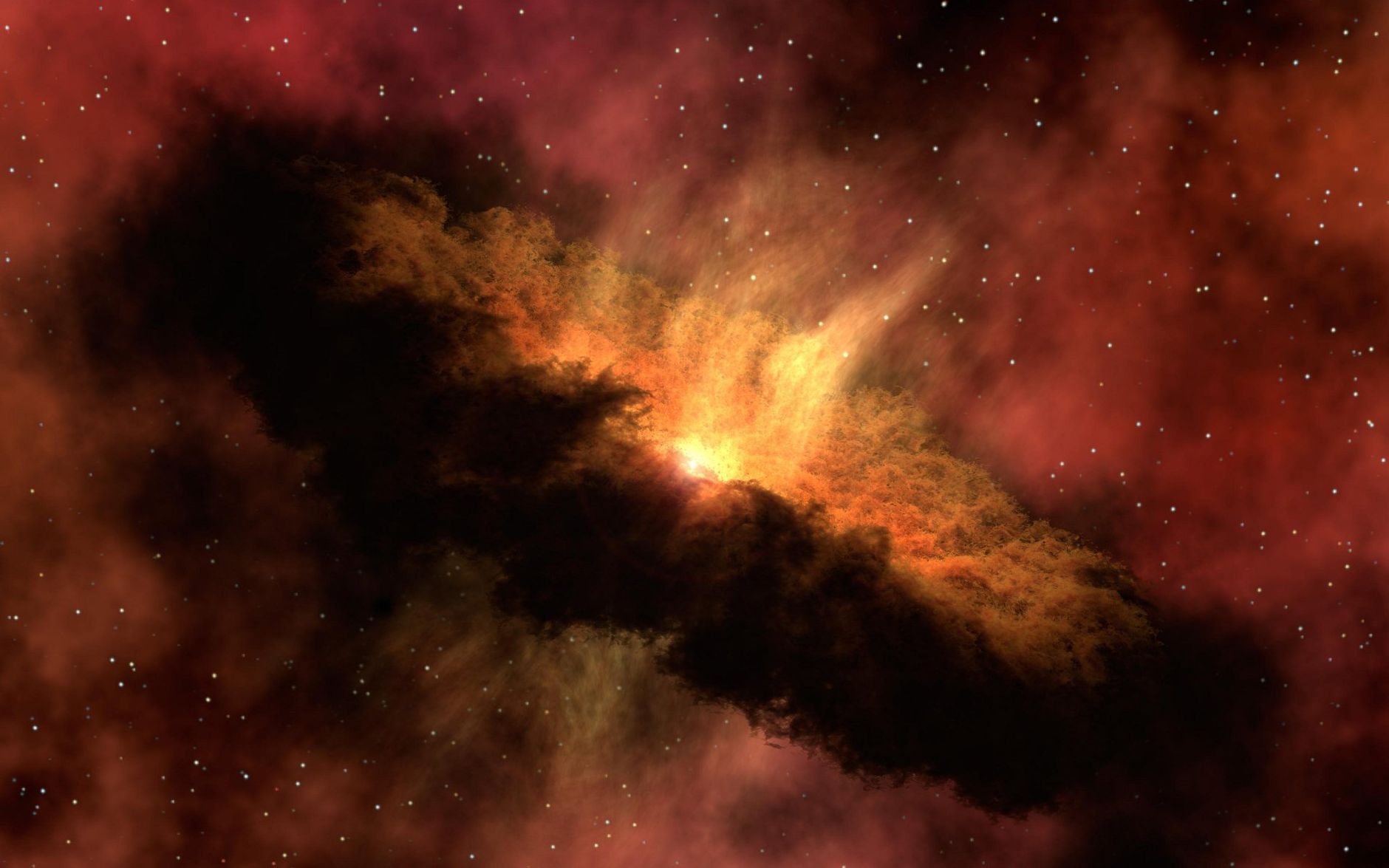
The zombie star discovery has unveiled a fascinating reason behind its ghostly green glow. Scientists have finally explained this intriguing celestial phenomenon.
Understanding Zombie Stars
The recent zombie star discovery has captivated astronomers and stargazers alike. These unique celestial bodies, often described as “zombie stars,” are remnants of massive stars that have undergone dramatic changes in their life cycle. Understanding these stars requires a deeper look into their characteristics and the phenomena surrounding their existence.
Zombie stars are essentially stars that have exhausted their nuclear fuel but have not yet collapsed completely into a black hole or neutron star. Instead, they continue to emit light, often displaying unusual colors. The intriguing ghostly green glow observed from the first confirmed zombie star is a result of various chemical reactions and the star’s interaction with its surrounding environment.
Key factors contributing to the glow of these stars include:
- Nuclear Reactions: The remnants may still engage in some nuclear fusion, creating different elements that contribute to their luminosity.
- Surrounding Gas and Dust: The materials in the vicinity can reflect and refract light, enhancing the star’s glow.
- Temperature Variations: The intense heat from the core can lead to emissions in various wavelengths, resulting in a colorful display.
As scientists continue to explore the mysteries behind the zombie star discovery, they hope to gain insights into the lifecycle of stars and the evolution of our universe.
What Causes the Green Glow?
The recent discovery of the zombie star has captivated astronomers and space enthusiasts alike, especially due to its eerie green glow. But what exactly causes this unusual hue? Several factors contribute to the phenomenon, particularly the star’s unique composition and the processes occurring within it.
One of the primary reasons behind the green glow is the presence of heavy elements, such as carbon and oxygen, which are produced during the star’s life cycle. As the zombie star exhausts its nuclear fuel, it undergoes a series of complex reactions, leading to the formation of these elements.
Additionally, the star is in a state of significant instability, which further enhances its spectral emissions. As the dying star sheds its outer layers, it exposes hotter inner regions. These regions emit radiation that interacts with the surrounding gas and dust, resulting in the striking green color.
Moreover, the intense gravitational forces at play within the zombie star can create turbulent conditions, causing the light emitted to scatter in unique ways. This scattering effect contributes to the star’s ghostly appearance, which has intrigued scientists and led to deeper investigations into the nature of such celestial bodies.
In summary, the combination of elemental composition, instability, and gravitational turbulence all play a vital role in the remarkable green glow of the zombie star, making it a fascinating subject of study in modern astrophysics.
The Science Behind Stellar Colors
The phenomenon of color in stars is a complex interplay of various physical processes. In the case of the newly discovered zombie star, scientists have made significant strides in understanding the reasons behind its unique glow. This star, which has been termed a “zombie” due to its ability to come back to life after shedding its outer layers, exhibits a captivating green hue that has intrigued astronomers.
The color of a star is primarily determined by its temperature and composition. As a star ages and undergoes various stages of evolution, its internal processes change dramatically. For the zombie star, the emissions of specific elements, such as carbon and nitrogen, play a crucial role in producing the green glow. When these elements are heated to extremely high temperatures, they emit light at particular wavelengths that can appear green to the human eye.
Moreover, the surrounding environment can also influence a star’s color. A combination of stellar winds and interactions with nearby celestial materials can enhance or alter the light emitted from the star. Scientists have emphasized that studying such phenomena can provide insights into the life cycles of stars and their eventual demise.
- Temperature: Determines the initial color of a star.
- Composition: Elements within the star affect its glow.
- Environmental Factors: Nearby materials can modify emitted light.
Thus, the zombie star discovery not only highlights the marvels of the universe but also sheds light on the intricate mechanisms behind stellar colors.
Implications for Astronomy
The recent discovery of a zombie star has significant implications for the field of astronomy, particularly in our understanding of stellar evolution and the life cycle of stars. This unique phenomenon challenges conventional theories and opens up new avenues for research.
First, the identification of a zombie star provides insight into the processes that occur during the final stages of a star’s life. As stars exhaust their nuclear fuel, they can undergo dramatic transformations, leading to the creation of white dwarfs. The existence of a zombie star, which is essentially a remnant of a star that has been reborn, suggests that there may be more complexities involved in stellar rebirth than previously understood.
Moreover, the ghostly green glow exhibited by this zombie star can enhance our knowledge of stellar colors and their relationships to chemical compositions. This glow is not merely a visual curiosity; it can help astronomers determine the star’s age, mass, and even its previous life stages.
Lastly, the discovery encourages scientists to revisit older data with new perspectives. By applying the knowledge gained from the study of this zombie star, researchers can re-evaluate other celestial objects that may also exhibit unusual characteristics. The implications of this finding may reshape the way we perceive the universe and the life cycles of stars.
Similar Discoveries in Space
In recent years, astronomers have made several remarkable discoveries that echo the intriguing finding of the zombie star. Similar celestial phenomena have captivated the scientific community, shedding light on the complex processes governing stellar evolution.
- Supernova Remnants: The remnants of supernova explosions have revealed stars that exhibit unusual characteristics post-explosion. These remnants often show unexpected colors and behaviors, hinting at the possibility of ‘zombie’ stars that have defied typical death cycles.
- Blue Stragglers: Found in dense star clusters, blue stragglers are stars that appear younger than their neighbors. Some theories suggest they might be the result of stellar mergers or interactions, similar to the resurrection observed in zombie stars.
- Helium-rich Stars: Discoveries of stars with an abnormally high helium content point to stellar processes that could lead to re-ignition after a phase of dormancy, akin to the phenomenon of the zombie star discovery.
These findings not only enhance our understanding of stellar life cycles but also raise questions about the nature of stellar death and rebirth. Each discovery paves the way for further exploration into the life of stars, ultimately enriching our comprehension of the universe.
Future Research on Zombie Stars
As astronomers continue to investigate the recently discovered zombie stars, future research is poised to deepen our understanding of these celestial phenomena. The unique characteristics of zombie stars, including their enigmatic green glow, present an exciting opportunity for further exploration.
Researchers are particularly interested in the following areas:
- Stellar Evolution: By studying the life cycle of zombie stars, scientists aim to uncover how these stars defy traditional classifications and what this means for our understanding of stellar evolution.
- Chemical Composition: Analyzing the chemical makeup of zombie stars will provide insight into the processes that lead to their distinctive luminosity and color, shedding light on the elements involved in their formation and decay.
- Comparative Studies: Investigating other similar celestial bodies could help astronomers determine whether the characteristics of zombie stars are unique or part of a broader category of stellar phenomena.
- Technological Advancements: Future observations will likely benefit from improved telescope technology, allowing scientists to capture more detailed data on zombie stars and their environments.
The ongoing research into zombie star discovery promises to enhance our comprehension of the universe, revealing the mysteries behind these ghostly luminaries.
Public Interest in Astronomical Phenomena
The recent zombie star discovery has sparked significant public interest in astronomical phenomena, captivating both seasoned astronomers and casual stargazers alike. The unique characteristics of these stellar entities not only challenge existing astronomical theories but also ignite curiosity about the mysteries of the universe.
As news of the zombie star’s ghostly green glow spreads, people are increasingly engaging with the science behind such phenomena. This newfound fascination can be attributed to a few key factors:
- Visual Appeal: The striking imagery of the zombie star, with its ethereal green hue, captures the imagination and invites viewers to explore the cosmos.
- Accessibility: The internet and social media platforms have made astronomical discoveries more accessible than ever, allowing enthusiasts to share insights and discuss findings in real time.
- Educational Opportunities: Schools and universities are seizing the moment to incorporate discussions about zombie stars into their curricula, fostering a new generation of scientists and astronomers.
- Public Events: Astronomy clubs and observatories are hosting events focused on the zombie star discovery, encouraging community participation and interest in space exploration.
As excitement grows, it is clear that the zombie star discovery is not just a scientific achievement but also a bridge connecting the public to the wonders of the universe.
The recent zombie star discovery has captivated astronomers, shedding light on the unique processes that lead to such phenomena. Researchers are now analyzing the implications of this zombie star discovery for our understanding of stellar evolution.
Photo by Pixabay on Pexels